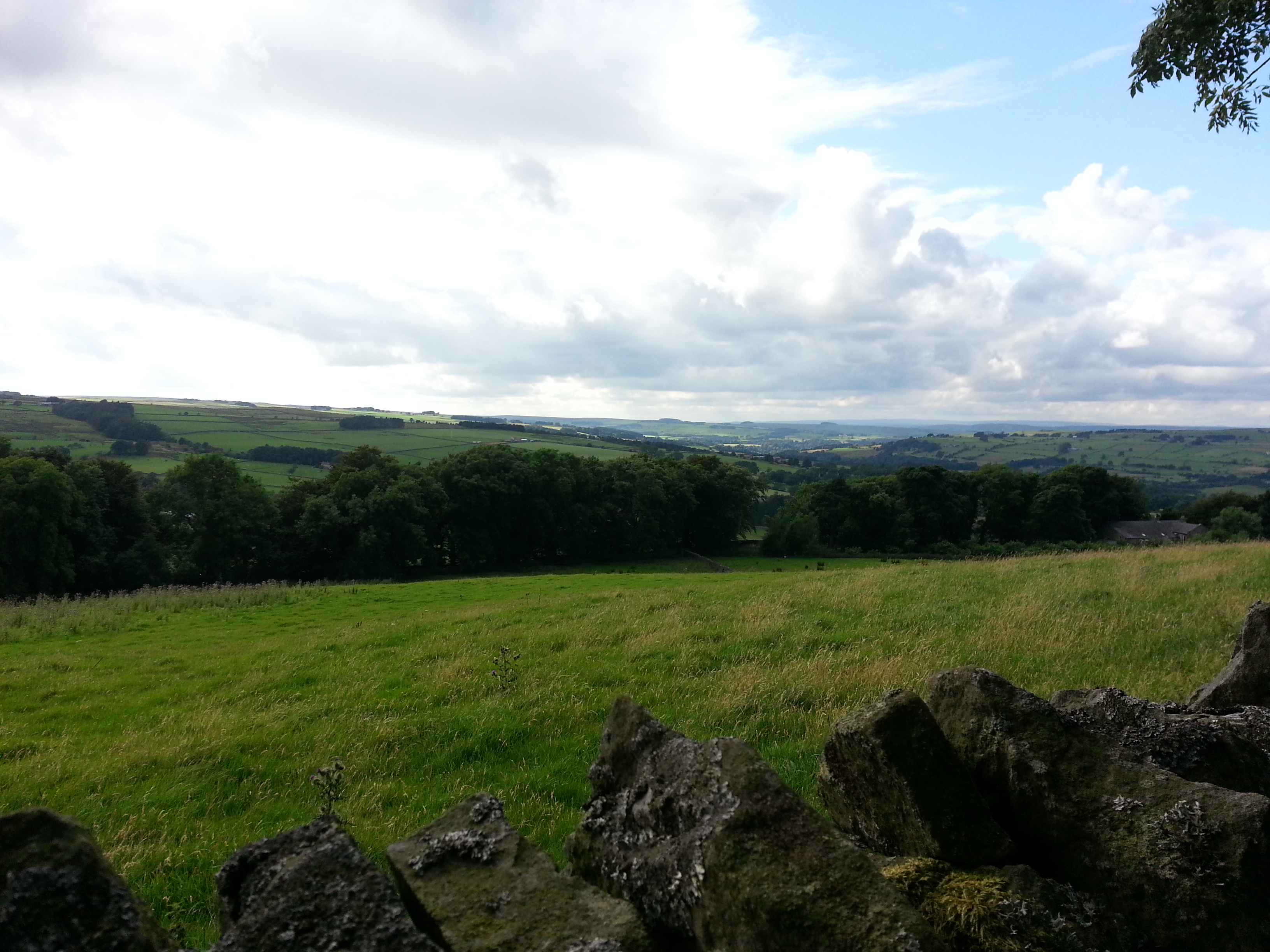
Pig check point – 15 weeks old

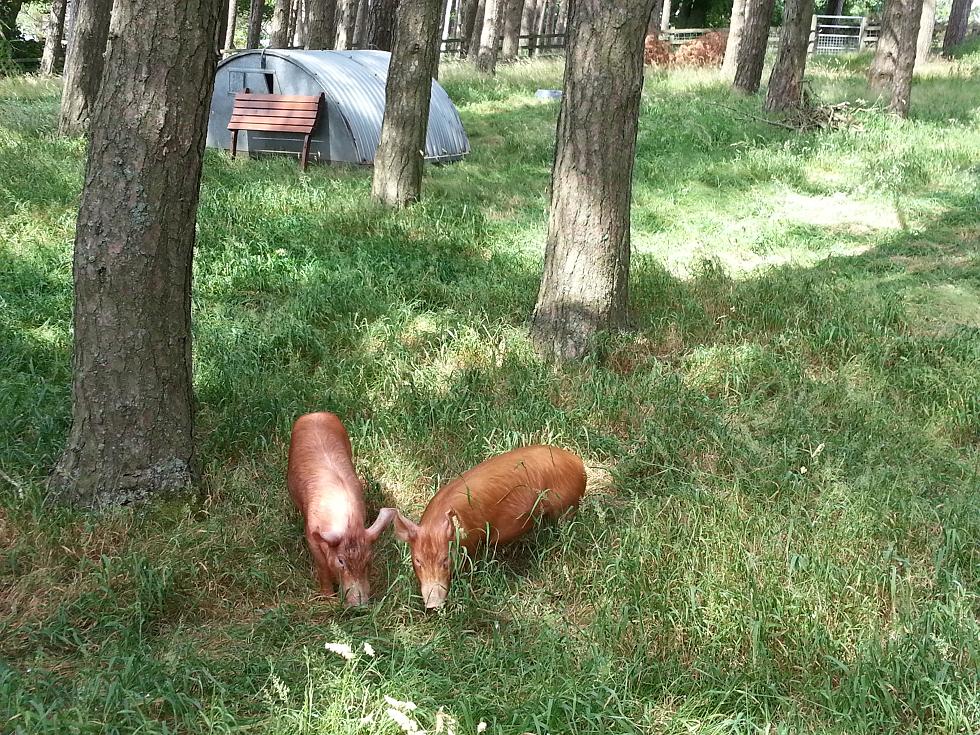
I hope they enjoy the view

The two Tamworth weaners arrived on 20 July so they’ve only been here for just over 4 weeks now but to me it seems longer. The twice daily feeds are hugely entertaining and they look to be having a wonderful time in the woods.

One thing I’ve certainly been surprised by is their impressive turn of speed on the rare occasions that I manage to quietly sneak up on them before  rattling the food bucket. Maybe I should start running regular piglet racing events in the North Pennines?

They were born around 1 May so they are around 15 weeks old or if all goes well just over half way there according to the information I’ve read.

They will be going off to slaughter at about 26 weeks of age but this is only a rough guide and working out the weight helps clarify this as I’m aiming for around 60-65kg if all goes to plan.

The first weigh-in
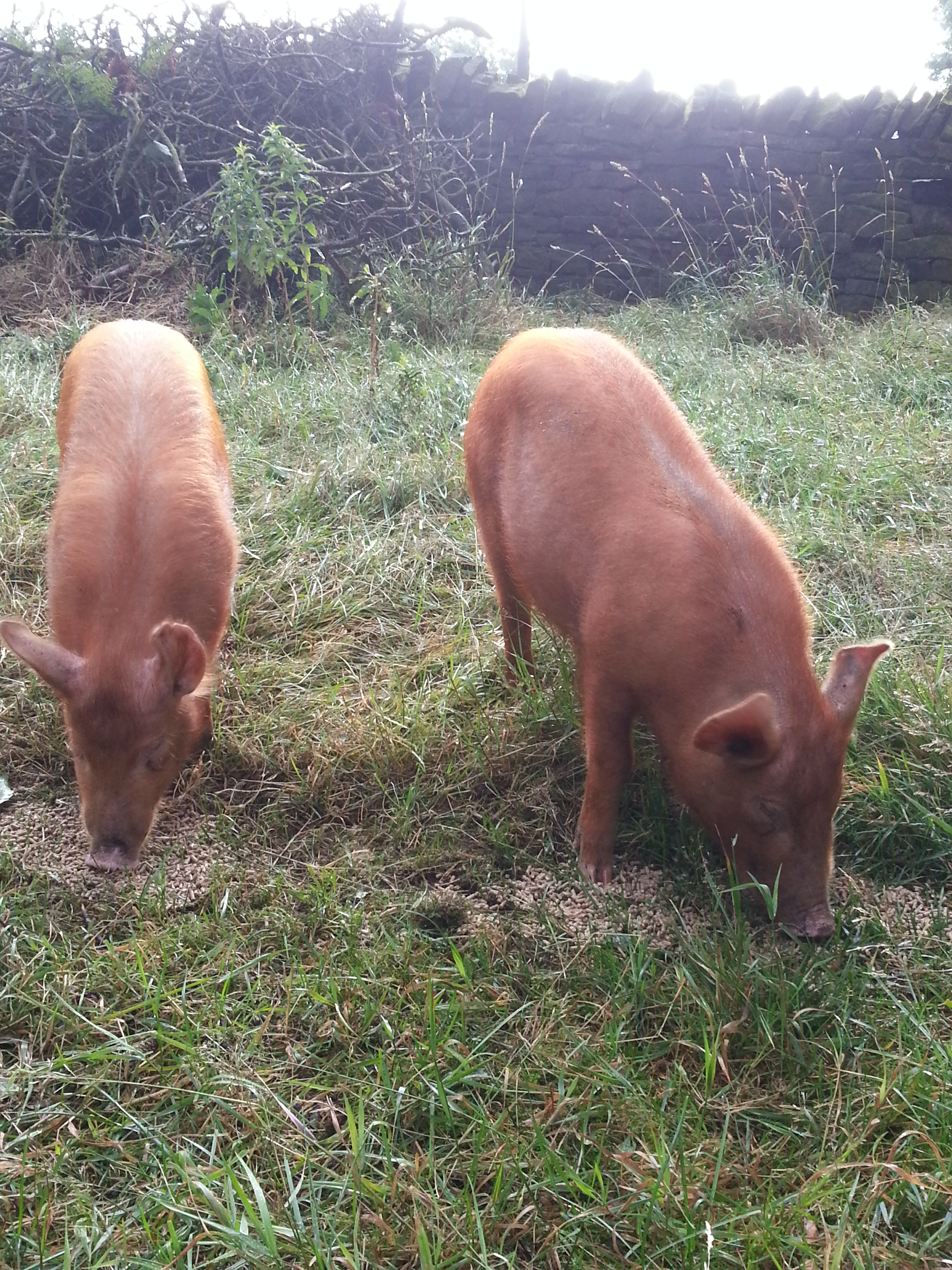
Engrossed in their breakfast

According to a range of sources the calculation for weight from measurements using metric units goes something like this:

Heart Girth ²  x Length x 69.3

Now that they are more comfortable around humans it is possible to think about measuring them to gauge their progress. Distracting them with their breakfast also helps to keep them occupied and there were none of the problems I’d expected.

The “Heart Girth” (measuring around the body just behind the front legs) was about 71 cm  which is 0.71 metres (because this calculation uses metres).

The length was roughly 85 cm (measured from between the ears to the base of the tail) which is 0.85 metres

So using the approximate measurements I’ve taken on the larger of the two pigs I get this:

Heart Girth = 0.71 x 0.71 = 0.5041

Girth Result * Length = 0.5041 * 0.85  = 0.428485

Approximate weight = 0.428485 * 69.3 = 29.69 kg

However I noticed in the Haynes Pig Manual (by Liz Shankland – http://www.biggingerpigs.com/) that a small deduction should be made for Tamworths because “they don’t have much of a rear end”.

According to this calculation the larger pig weighs somewhere between 25-30kg so perhaps a little behind schedule for their age. However I’m aware that the slower growing rare breeds like Tamworths can easily put on a little fat if you’re not careful so I’m happy with the general progress and will only increase their feed a bit at a time.

The plan is to take them off to the abattoir around the beginning of November which is about 11 – 12 weeks from now and by then they will be 26 weeks or just a little over. A second weigh-in at the end of September will give a better idea of how they are doing though.

Their handiwork

All the predictions about the rooting capabilities are proving right so it’s lucky that they are in some well-established woodland which can take the beating…
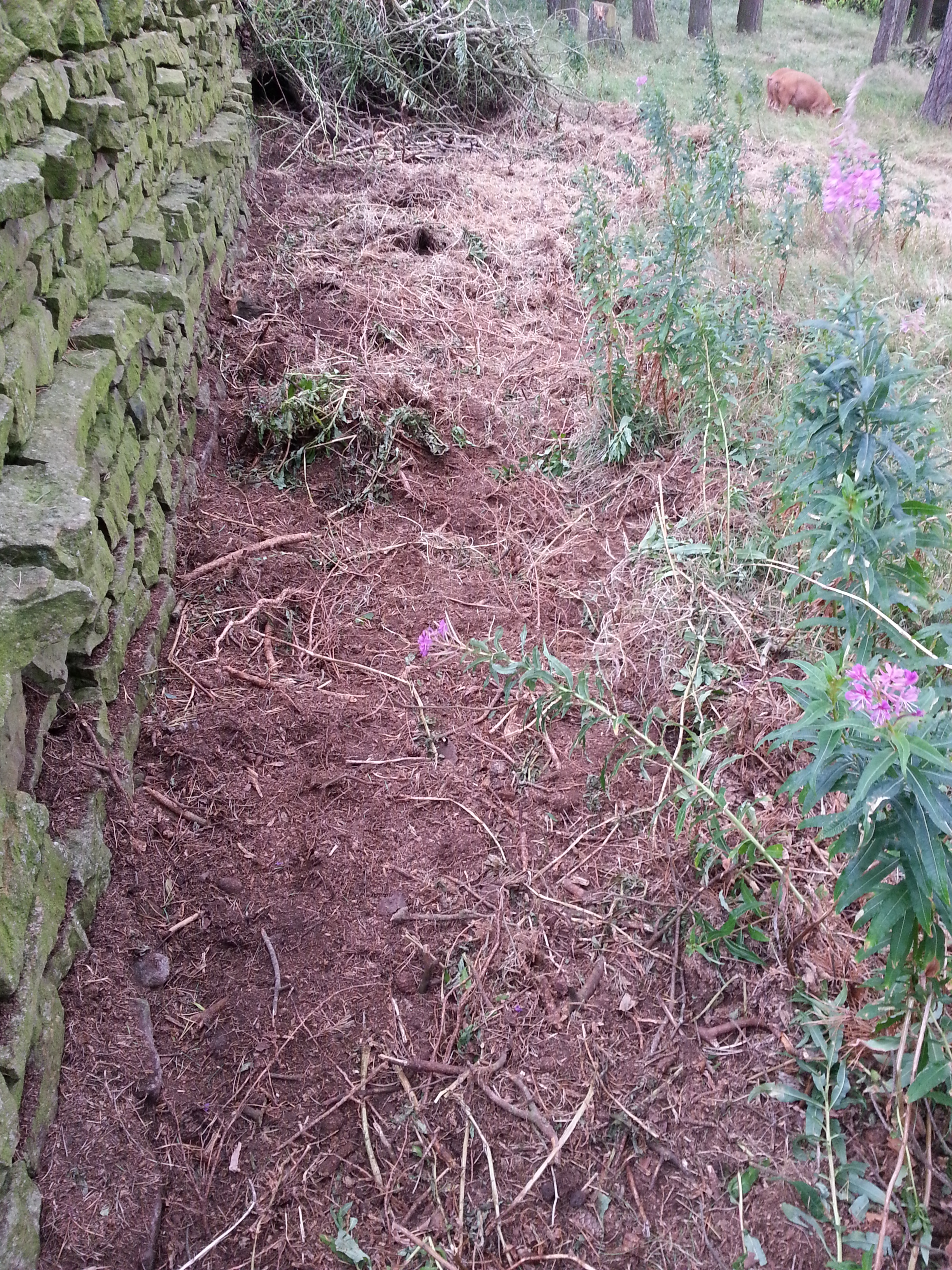
Great for clearing willowherb

They were particularly fond of something which was growing among a patch of nettles but I can’t name that plant because they ate it all very quickly! Luckily the dry stone wall is very solidly built and has probably stood for many years so they’ll have to work hard to knock it down!
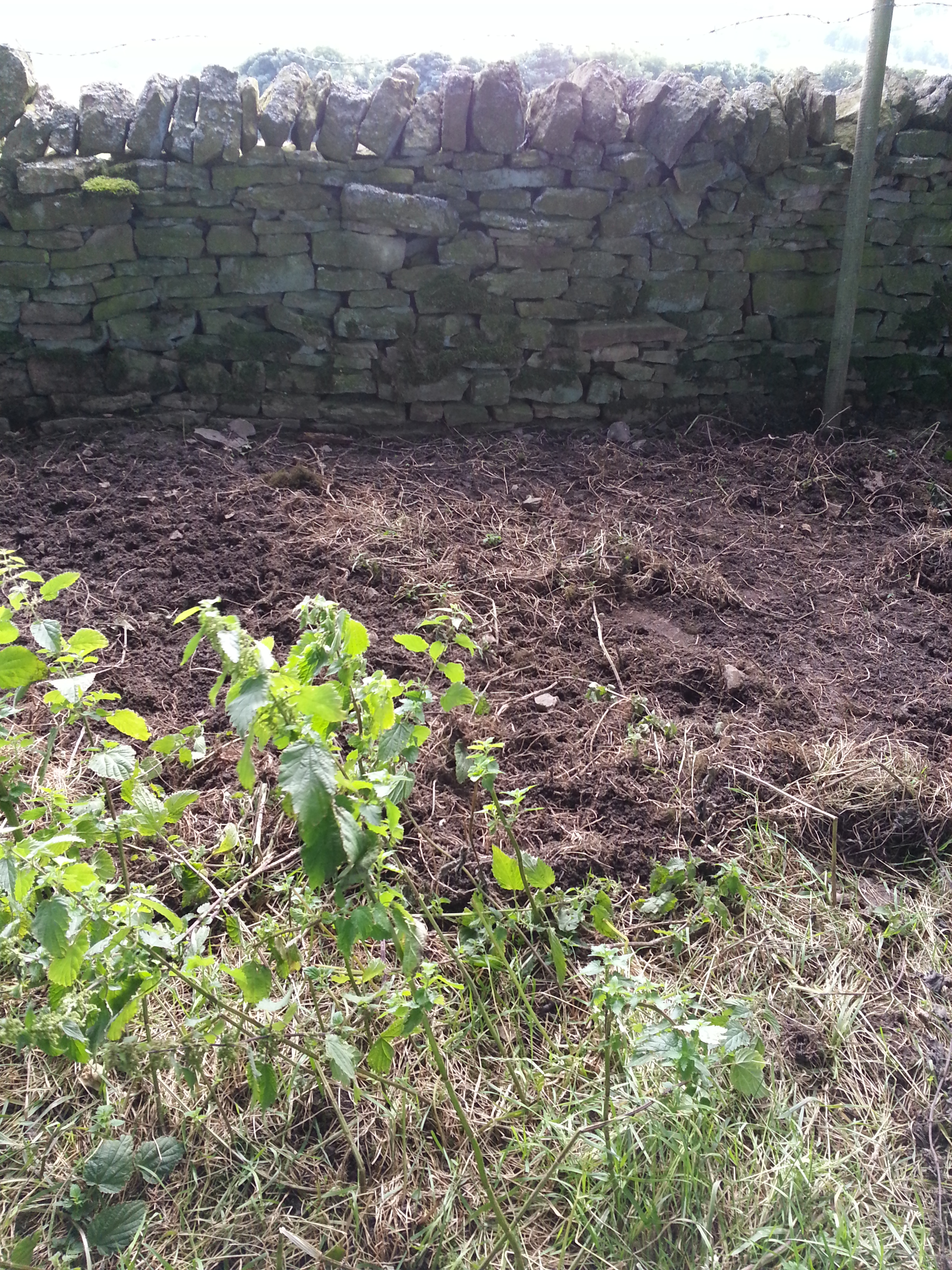
Even nettles don't stand a chance
Even nettles don’t stand a chance


Chickens everywhere

I thought it was probably time for a general update on all the chicks that have hatched in the first few months that we have been in the new house. There was no master plan for us to raise lots of chickens when we moved here, just keep some for eggs for us and other family members.

After asking around on Twitter about the flock we inherited from the previous owners I think they are White Leghorn and a quick check on Wikipedia (the source of ALL knowledge obviously) I find the conclusive evidence in the statement:

Leghorns are active and efficient foragers. They typically avoid human contact and tend to be nervous and flighty

I couldn’t have described them any better but plans are now in hand to deal with the wayward laying of eggs by enclosing the main chicken area so we have more control over when they disappear into the woods and thus hopefully where they lay their eggs.

Luckily I can’t bring myself to think about getting rid of the cockerel and he does a good job of keeping the girls in line so he gets a reprieve… for now at least.

Chicks #1

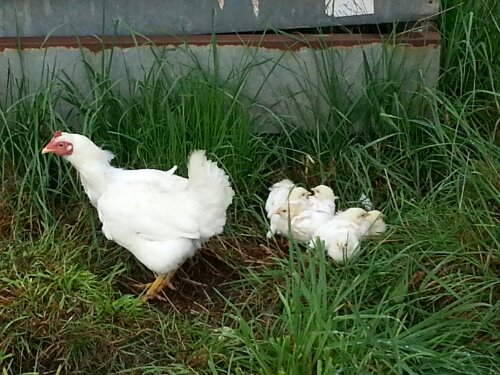
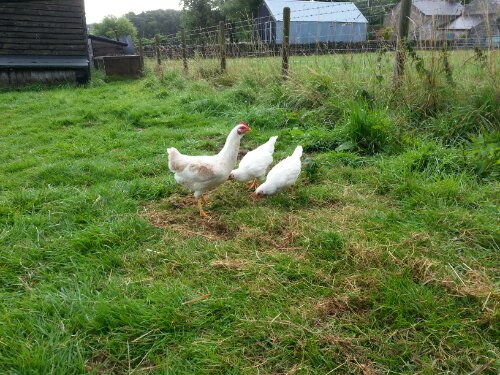
The two chicks that hatched around 22/23 June were our first batch and I’m not sure why the other 4 or 5 eggs didn’t hatch as well. These two are looking very healthy and I assume that as they are now 8 weeks of age they are almost ready to be independent of their mother.

The first batch of chicks

Chicks #2

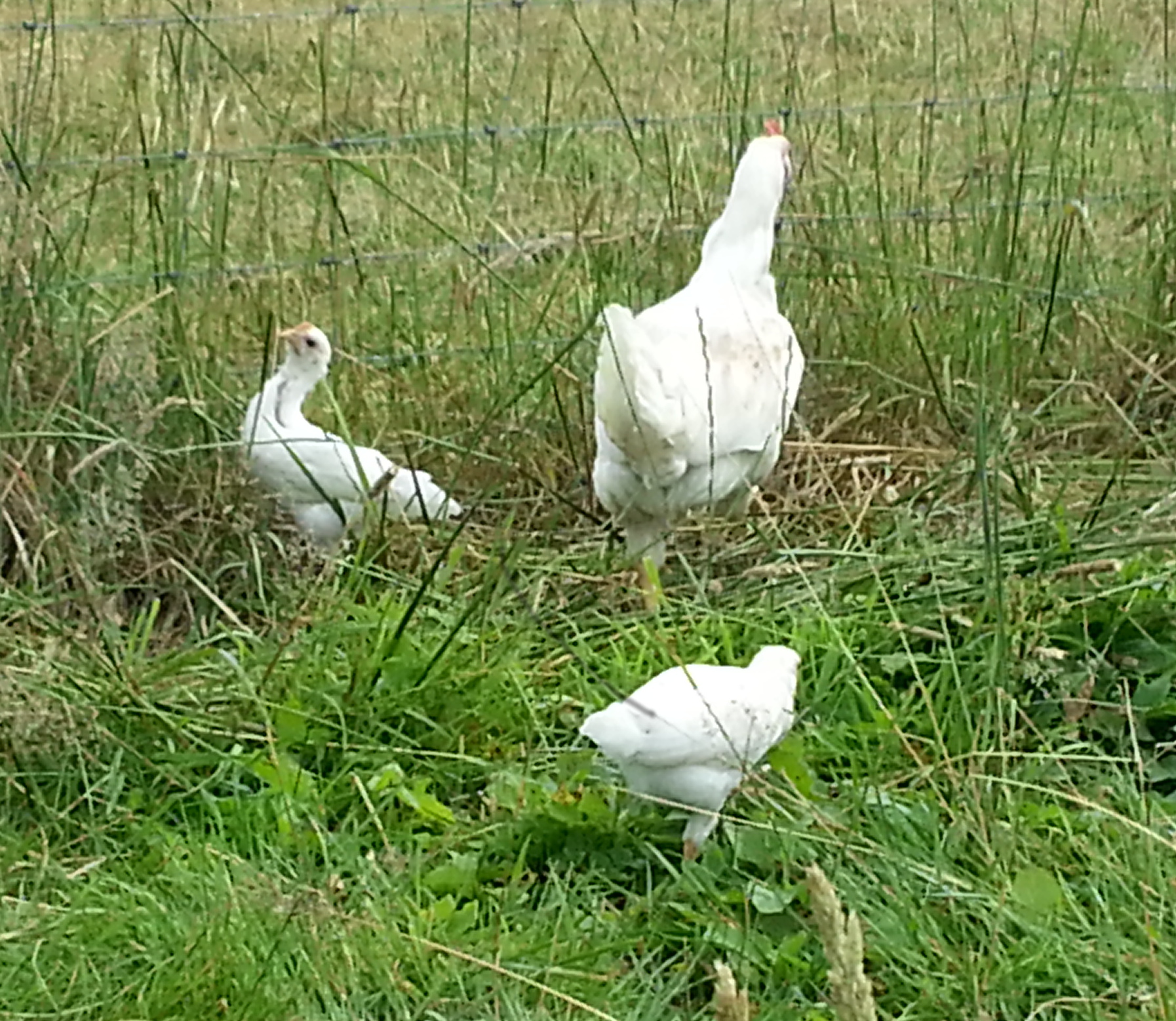
The next batch of chicks just turned up quite unexpectedly 1st August when I went to shut the chickens up for the night. The mother hen was sitting on the steps of the chicken coop and when I tried to scoot her inside she stood up to reveal that she apparently had 8 pairs of feet.

Larger second batch of chicks

Chicks #3

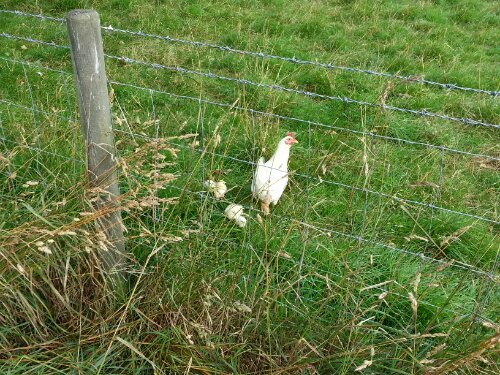
The most recent batch appeared quite unexpectedly in the woods at the end of the chicken area around 12 August and unfortunately there were a few deaths early on.  This was probably because the mother hen doesn’t seem to have any sense and wanted to keep to herself in the woods instead of using the accommodation provided by us. We are down to just 5 chicks from the original 7 or 8 that originally hatched but those that have survived this far are doing well now.

The third (and final?) batch of chicks

Small time harvesting

It’s gratifying that some harvesting can now take place and some of the early rushed efforts when we first moved in can begin to pay off. There may not be very much of everything but we will happily work our way through whatever we can get.

Everything was planted around the first week of June when we moved in to the new place so after about 10 weeks now it’s not probably not that surprising something has made it this far!

Harvesting beetroot, carrots and lettuce

Carrot

The most impressive by taste are the carrots which are the Nantes variety and while not overly large they are a reasonable size.

A few more rows of seeds have been planted at various stages over the last few weeks in the hope of getting a regular supply for a little while longer at least.

Beetroot

The beetroot was also very tasty with a more earthy (but not unpleasant) taste than our usual shop bought ones. Some  have been boiled for use with salad but last weekend I also tried roasting them (with some carrots) and they were delicious.

A second batch of seeds have been planted but I’m not sure that they are doing quite so well. Perhaps another row or two should be sown in the very near future just in case.

Lettuce

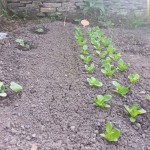
Unfortunately the lettuce suffers a little in comparison because it’s “just some green leaves”. However that would be unfair because there is nothing wrong with the taste which is just like lettuce should be.

Perhaps I’m influenced by the commonly held belief that home-grown produce always tastes so much better than the shop bought equivalent. I’m not sure that applies to Little Gem lettuces though…

Potatoes

One bit of bad news though is that the potatoes have been a huge disappointment and will probably not yield anything much. Due to the timing of our house move, they were left chitting in trays for 3 or 4 months which obviously didn’t give them the best start in life.

There’s always next year though so I’ll try again and keep my fingers crossed next year.

Life and death in the North Pennines

Life…

It’s been very interesting to learn so much more about chickens in such a short amount of time.

First batch of chicks

Much of our new understanding of chickens leads on from a decision made when we moved in and found one of the inherited chickens sitting on a clutch of about 6 eggs. We weren’t sure how long she had been there but it seemed a good idea at the time to just keep an eye on things and watch what happens.

Sure enough, about 3 weeks later our first ever chicks duly hatched although we really can’t take any of the credit. In fact, there were only two eggs that hatched in the end so perhaps we should take some of the blame for that?

Second batch of chicks

They have gone from strength to strength and are now roaming freely with their mother. they are now 6-7 weeks old and we are watching to see when they will head off on their own without her.

More unexpectedly was the appearance at shutting in time on 1st August of one of the inherited chickens with her healthy looking batch of 7 chicks. There had been no indication of this event and in fact we have been carrying out occasional “egg hunts” to make sure they weren’t off laying in unexpected places. We obviously need to up our game on that front!

… and Death

On consecutive days last weekend we found a dead hen in the main coop (the inherited chickens). In each case, we found a bird just lying on the floor with no obvious signs of injury. Initially this was a little worrying but we are keeping a close eye on them all and hopefully it seems to have just been a coincidence.

We are becoming more used to idea of deaths in general, no doubt helped by the assorted wildlife deaths we have come across since moving here – mice in the fields (cats),  rabbits on the roads (cars), and birds in various places (cats again).

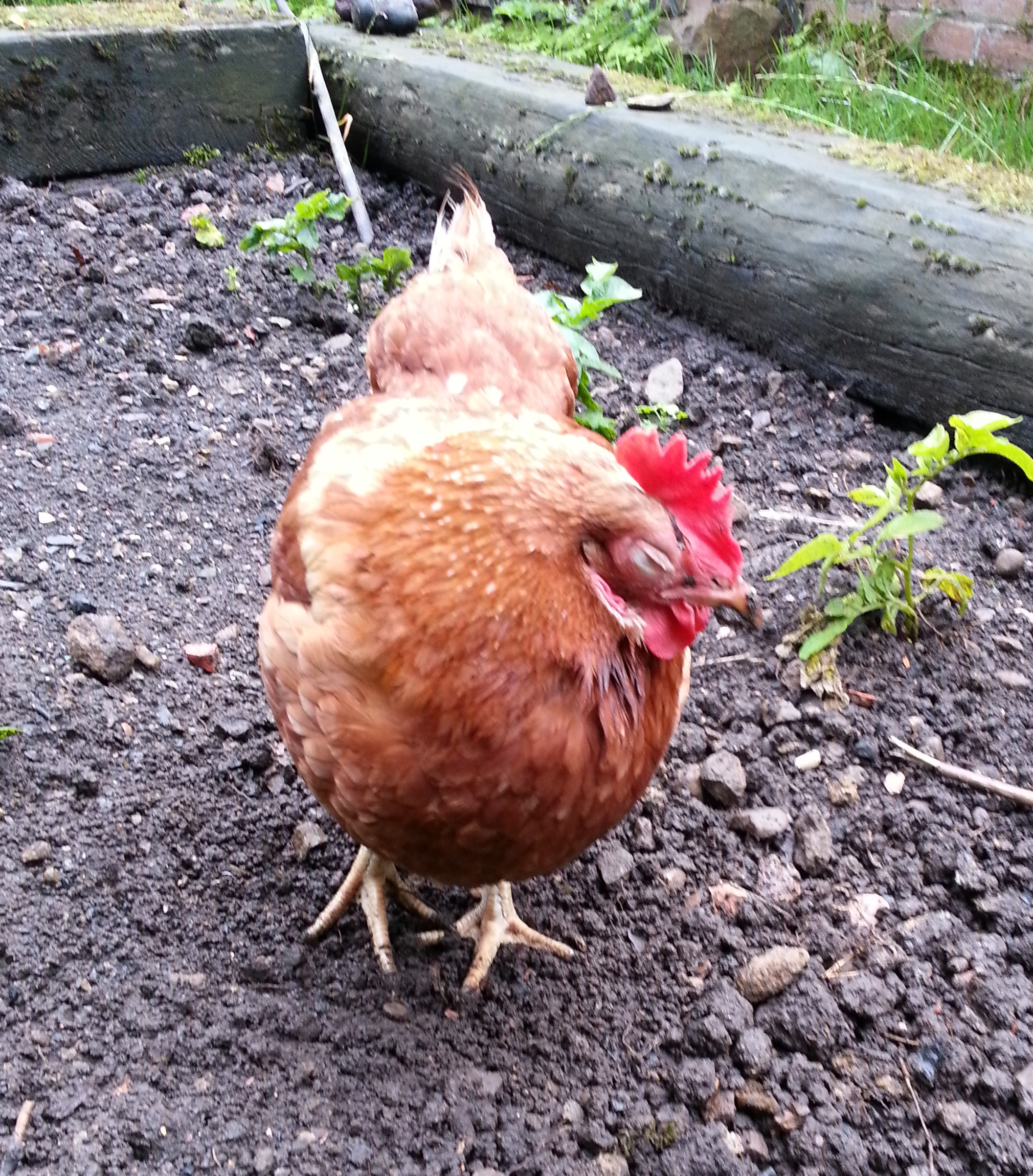
BEFORE - a nasty wound and swollen eye
BEFORE – a nasty wound and swollen eye

All our other inherited hens and the rooster are looking well and they are still happily roaming the paddocks and woods apparently without a care in the world.

Although not technically “dead” our two “pet” hybrids were injured in what appears to have been a fight of some sort. It was probably not a fight between the two of them though as they’ve been together since we got them around 15 months ago. My guess is that it is the result of getting too interested in the newly hatched chicks but I can’t be sure.

Because these are our “pet” chickens we eventually (after a day of isolation and observation) decided to take the worst case to the vet for a check over. There was always the outside chance of her having something more serious and the “fight” imply being some bullying of a weakened chicken.

AFTER: Swelling reduced and getting better slowly

Fortunately the check-up found nothing else and involved just a simple injection of an anti-inflammatory along with some anti-biotics to put in her water. I’m deliberately ignoring the fact that the visit to the vets cost 3 times what the hen originally cost – money isn’t everything!

After a few days in isolation her condition is improving but we’ll keep her separate until she is completely recovered. Luckily the previous owners had left a home made “broody coop” which we could press into service as a temporary hen shelter.

One idea for the future is to eventually house our flock of “laying hens” in a separate, fully enclosed area away from the “inherited” (and more wild) chickens but perhaps that would be an over-reaction to an isolated incident?

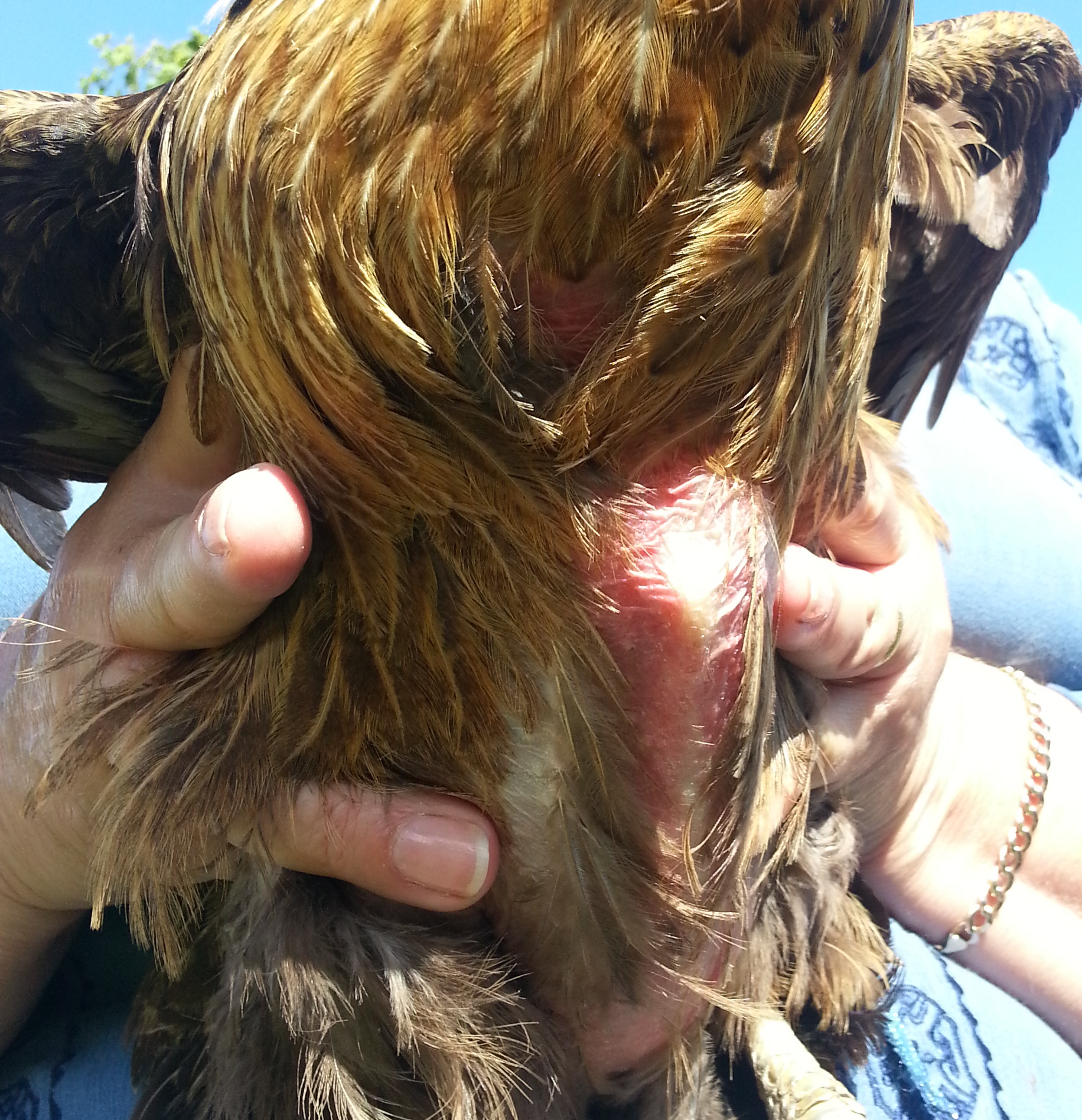
At the same time as the major injury to one hen was spotted, we noticed that our other “pet” hen was also sporting some minor damage. This appeared to much less serious and she was continuing to wander around pecking at everything unaffected by the loss of feathers on her breast but it did look very sore.

Feather loss
Feather loss

As expected, she is looking much better lately and she is still apparently oblivious to the loss with a healthy appetite and displays her usual curiosity about everything edible and non-edible.

On the bright side

I now have some first hand experience of the efficiency with which a mother hen can defend her young!

Also, according to my maths we are still making steady progress overall with a total of 3 chicken deaths being outweighed by a total of 9 chicks hatching in the last month or so.

We’re ahead by 6 so far but I’d rather not lose any more and we’ll be more vigilant in future to make sure we do the best we can.

Time flies, carrot flies and cabbage white butterflies

The recent period of rain has been very welcome and luckily we’ve not had quite as much here in the North Pennines as some other areas of the UK. The time is flying past and given all these excellent growing conditions I knew it was probably time for another general vegetable update

Watching  the rainwater running out of the gutters and disappearing down the drains makes me want to add more water butts in a few places. On the other hand, I think we can probably expect  to have higher average rainfall here than at our old house near the coast so perhaps we won’t need them quite as much? Time will tell …

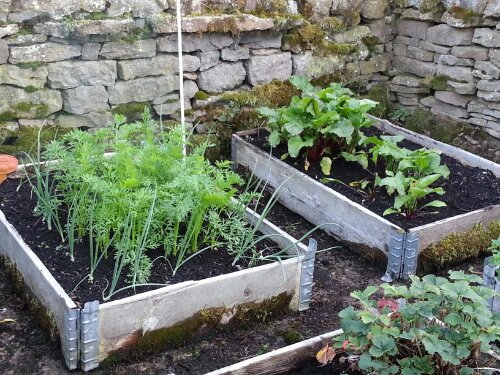
Existing raised beds

Existing raised beds

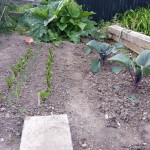
The existing raised beds with a few onions, carrots and beetroot are still going well. These were all planted at the start of June within a day or two of moving in.

We have already harvested a few small “baby” beetroots which tasted very nice with a not unpleasant “earthy” undertone (even though we washed/cooked them).

Another couple of short rows of beetroot have now been planted in the empty space which is just visible at the back.

These are already starting to show signs of growth so I’m definitely a convert to the idea of soaking beetroot seeds overnight before planting them.

The few carrots here are only just at the “baby” stage now and although a few have been sampled I hope to leave them in place a little longer. It would be good to get our first full sized carrot from the garden and in the meantime another short row of carrot seeds has been planted elsewhere for the future.

Around these carrots I sowed some onion seed in the hope that this would discourage carrot fly – not that I’ve seen any evidence of this. Perhaps the raised beds in a separate raised area have fooled the carrot flies because I think they don’t fly very high off the ground.

This is my first time growing onions from seed and they are doing remarkably well. I tried onion sets last year but I felt that was not quite as much fun – I prefer planting seeds instead of a smaller version of the finished article because seeds give a greater sense of achievement at harvest time.

It will obviously be a little while yet before we can consider trying these onions but they are developing well.  There are a few more onion seeds left so I think they will be planted towards the end of August to try overwintering them (if I can find the space).

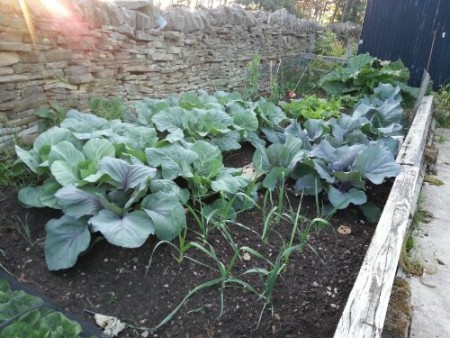
The long veg bed

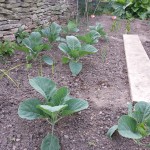
This is mostly devoted to cabbages and leeks – not because we’re big fans of those but because I bought too many seedlings for each and can’t bear to throw any of them away.

Cabbages and leeks
Cabbages and leeks

As usual a combination of eagerness to plant leeks and underestimating the size of cabbages has meant that some leeks are now being swamped by the expanding cabbages. I’m hoping that the leeks planted between the cabbages will put on enough growth that they can be used first before they get totally overwhelmed.

The handful of pea seeds which came up are at the back and doing their best to climb up their supports. There are even a few flowers starting to form so I may get a small saucer of peas this year if I’m lucky!

This weekend will probably involve some detailed examination of the cabbage plants.  I’ve seen a few cabbage white butterflies around the garden so it must be time to take action.

The “Old House” rhubarb

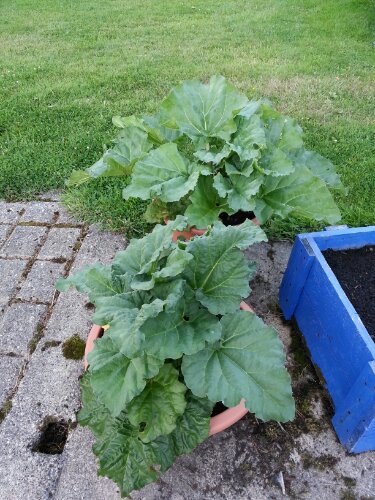
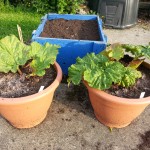
The two pots of rhubarb which were planted into pots at the old house before we moved are doing really well again. There was a period of a few weeks recently when they appeared to stop growing despite good weather, careful attention, watering and such like.

Eventually I came to the conclusion that the plants just needed more nutrition having exhausted the supply in the pots. A quick sprinkle of some Growmore plus a little extra compost to mix it in with and they soon burst into life again.

Rhubarb in pots
Rhubarb in pots

I’m not sure if I’m imaging things but I think this photo shows  the difference in leaf shapes quite nicely with the Stockbridge Arrow in the foreground having a more pronounce “arrow” shape to the leaves.

Seedling progress

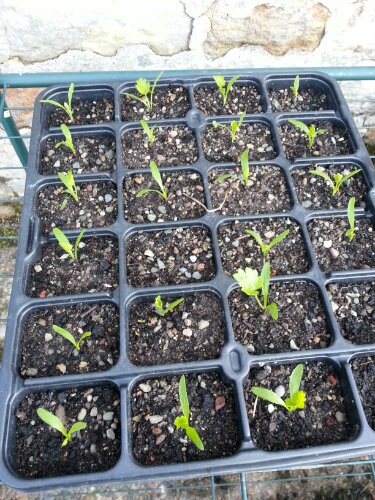
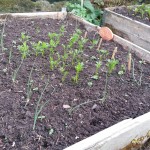
Although it might be a little late, I recently planted some parsnip seeds on the basis that we really like parsnip. Hopefully they’ll develop well but not too quickly as I will need to find some space to plant them out once something else has been harvested

Parsnip seedlings
Parsnip seedlings

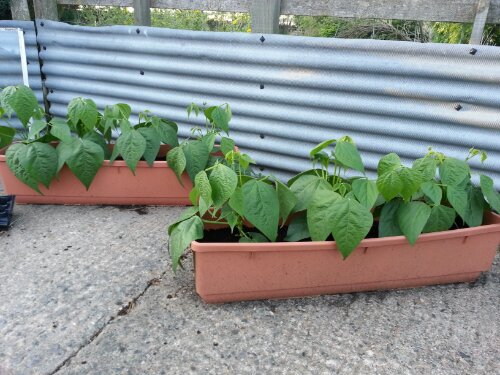
The free packet of Dwarf bean seeds have also been planted but I used some large troughs which we had brought with us. Perhaps not the best situation for them but I ran out of space very quickly and still wanted to give them a try this year. I can’t resist a freebie although I’m not sure that I’ll eat many of them – we’ll see how they develop.

Dwarf beans in troughs

Future plans

There is a common thread running through this post about a lack of growing space so it may not be long before some of the extensive and under-utilised lawn is replaced with raised beds. This is especially relevant through the spring and summer as I’d rather spend my time growing produce than cutting the grass every week.

Some sturdy rabbit defences will be needed as they seem to be getting bolder each week but I’m hoping that razor wire, sentry towers and armed guards will not be needed.

Perhaps there is even space for a small orchard if the sheltered location I have in mind will counteract our altitude here (1000ft above sea level). If I’m lucky there will be enough shelter from trees and low stone walls to give some fruit trees a chance?

A sickly chicken

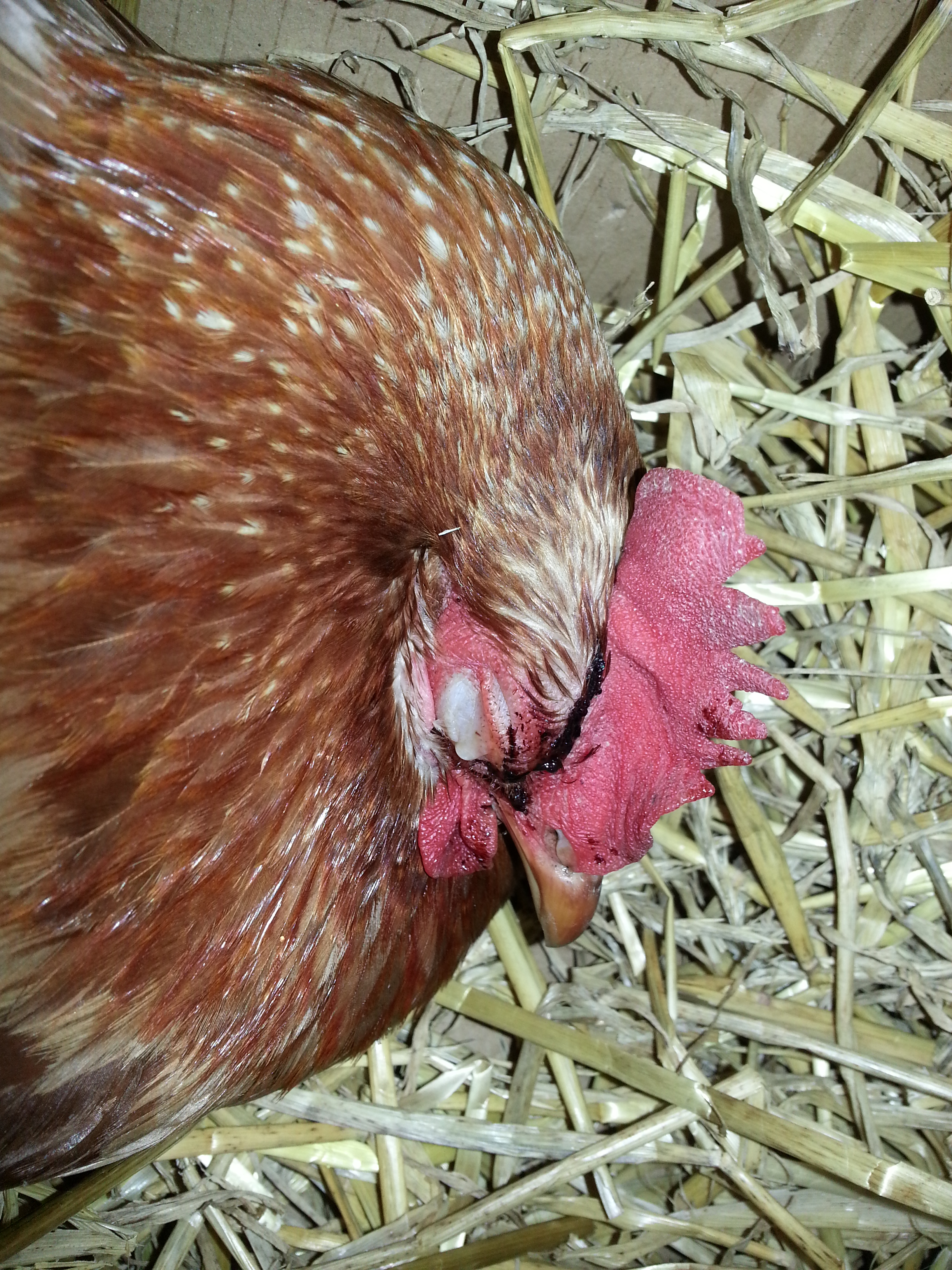
Yesterday evening we found one of our original hens hunched up under a tree by a wall looking very sorry for herself. A quick inspection showed that both eyes were swollen and there were signs of dried blood along the comb.

Sickly chicken
Sickly chicken

Having already lost one of our original 3 hens only last month I’d hate to think that another one was on the way out. She was very listless and didn’t resist being picked up or carried but then she is the tamest of the 2 original hens.

As far as I can tell this hen was fine at around lunchtime yesterday so whatever happened could only have been in the few hours before she was found at about 5:30pm.

We isolated her in an outbuilding overnight using a spare run for some additional protection and provided water and food although I doubt she was interested.

Thankfully when I checked first thing this morning she was not looking any worse so perhaps a gentle clean up and a few days  TLC will help her pull through.

The other remaining original hen has a bare patch on the breast with no feathers and some raw looking skin. Unfortunately she has never been interested in being handled so we can’t check as well as we would like but at least she is still eating and active (i.e. she runs away from us!).

The current theories for this injury are:

  • a result of fighting with the other hens we inherited with the property but there have been no sign of problems in the two months since we got here.
  • some unwanted attention from the rooster which were resisted and led to fighting but there is no sign of feather damage/loss around the neck and sides which I might have expected in this case.
  • an unidentified predator which tried to attack the two original hens (they tend to stay together) but which was successfully fought off by them (I’m told we  have no foxes around here though).

I can see how the blood on the comb could be the result of fighting either with other chickens or perhaps with  a predator but I’m not sure how that relates to the swollen eyes. The other original hen is bright eyed and looking perfectly good this morning – apart from the feather loss under the breast bone.

I’m keeping my fingers crossed for a good recovery in preference to a visit to the vet or worse maybe.


Do pigs have allergies?

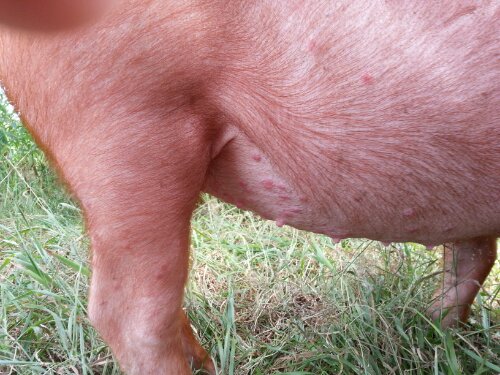
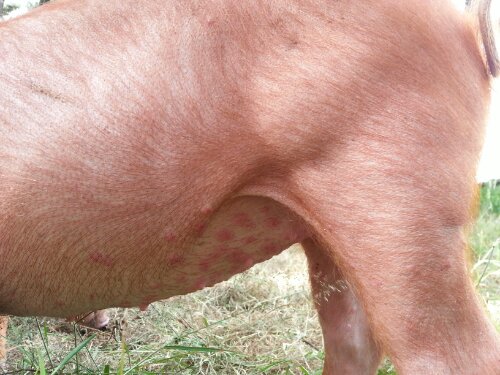
Within a day or two of getting our two piglets we spotted a rash on their bellies which was a bit disconcerting for us first time pig keepers. As far as I remember this rash wasn’t there when they were collected earlier in the week but we kept a close eye on things over the next day or so.

Rash on pigs belly
Rash on pigs belly

My thinking at the time was that this rash had appeared on their bellies because there are so few bristles which means there  is less protection for them. Also as that is closest to the ground they’re more likely to come into contact with something that might have caused it.

I suppose this might have been a reaction to something they ate given that they came from a stone barn with straw and ended up free ranging in mature woodland. I doubt that pigs have allergies but I don’t know that for certain and I suppose anything is possible/ However there were no obvious signs of these bumps anywhere else on their bodies so my money was on a reaction to something external.

Nettles perhaps?
Nettles perhaps?

Are pigs susceptible to stinging nettles? When we first put them in their patch they spent quite a lot of time munching on something which was growing among the nettles.  I’m not sure what that plant was (perhaps some kind of low-growing elder?) but  it’s all been eaten now anyway and the rashes are considerably improved as well.

We’ll obviously continue to keep an eye on things but for the moment the rashes are fading. Most importantly, the pigs are both happily eating, drinking and occasionally running around like lunatics in their expanse of woodland which must be a good sign!

If you go down to the woods today…

So the big day finally arrived on Saturday and we headed off to pick up the latest additions with a combination of excitement, anticipation and trepidation. Despite the preparations over the past months with a day at a breeders, an introduction to smallholding day and plenty of reading on the subject, nothing matches the feeling when you actually get started with something new like this!

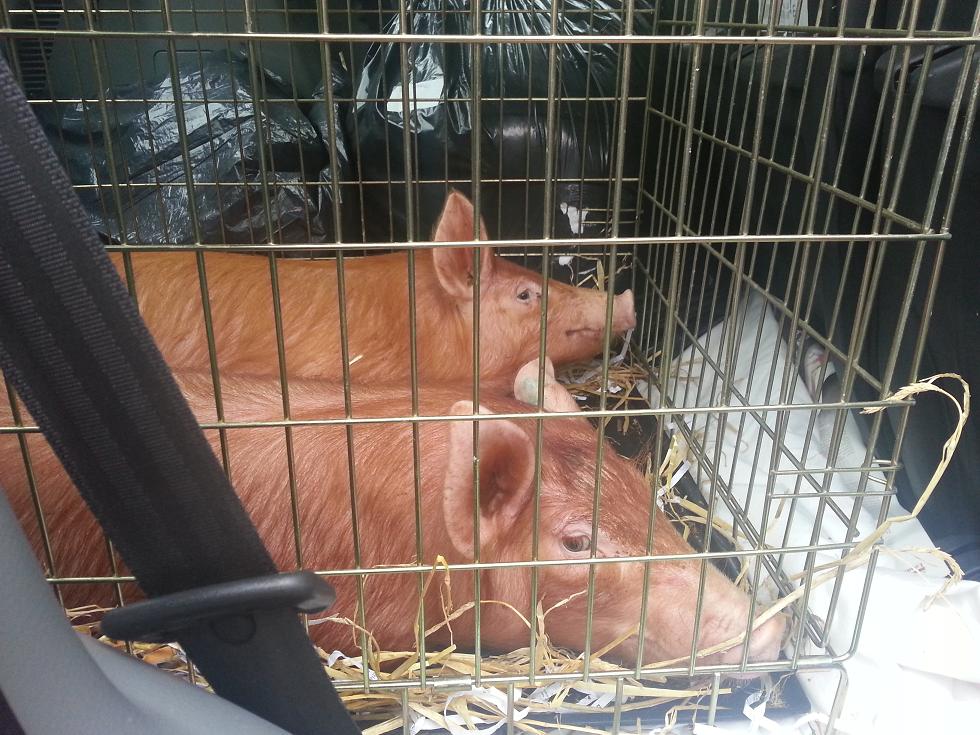
Given that the car journey back again from Yearle Tamworths took about 90 minutes, I was surprised to see quite how chilled out they were by the time we got them back home. Even more surprising perhaps given that they are not used to a great deal of human contact and certainly not used to us clumsy beginners.

Chilled out passengers

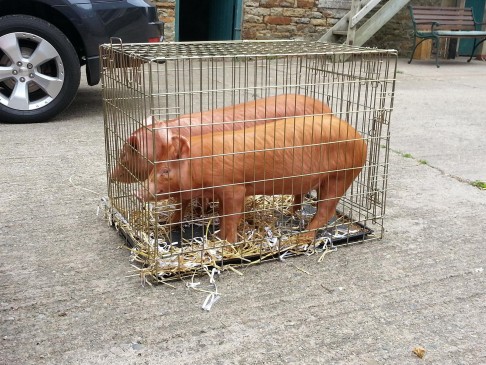
Even after unloading from the back of the car they were still quite content to just look around for a couple of minutes while we arranged things for the short trip round the back to the woods. I can’t help thinking that if we’d left it any longer then we would have had to borrow a bigger dog cage from the local vets.

Two is company
Two is company

There had been a fair amount of thought about which breed to try for our first weaners but in the end the fact that we expected to “free range” them in the woods led to the idea of a couple of Tamworths. Maybe next time we’ll try a different breed but we have plenty to learn with these first two I think.

I hope they appreciate their new home in the woods but they’ll never truly understand the effort needed to drag a pig ark through 3 fields and a wood with a quad bike. It’s certainly not something I’d want to do too often but at least the ark made it in one piece.

Pig heaven?
Pig heaven?

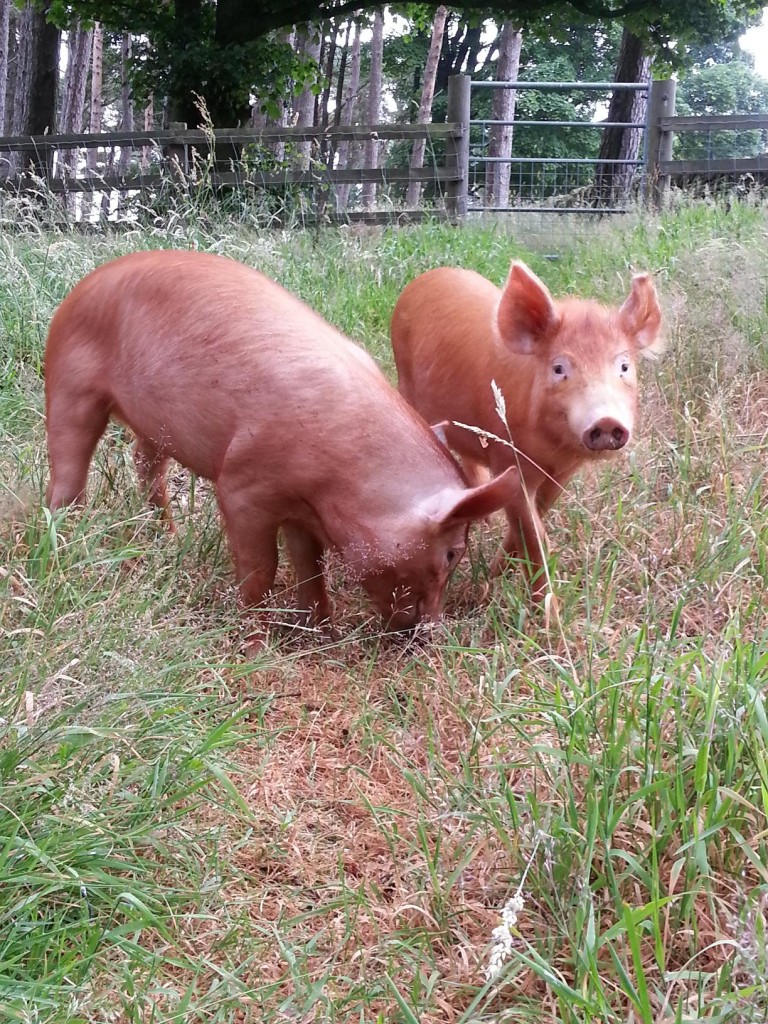
And below I have included a better close up picture which I have labelled Pig 1 and Pig 2 because they won’t be given any names. It just seems safer as they will only be with us until early November – we’ll give them the best life we can until that point but ultimately we are raising them for meat and mustn’t forget that.

I did wonder whether Butty and Chop would have been good names though?

Pig 1 and Pig 2
Pig 1 and Pig 2

The time has just flown by!

We’re still at the stage of keep track of how long we’ve been here although I’m sure that will change eventually. For now though, we’re doing the counting in weeks rather than months and it’s flying by!

This is the sixth week now and there is certainly never a dull moment…

Meadows

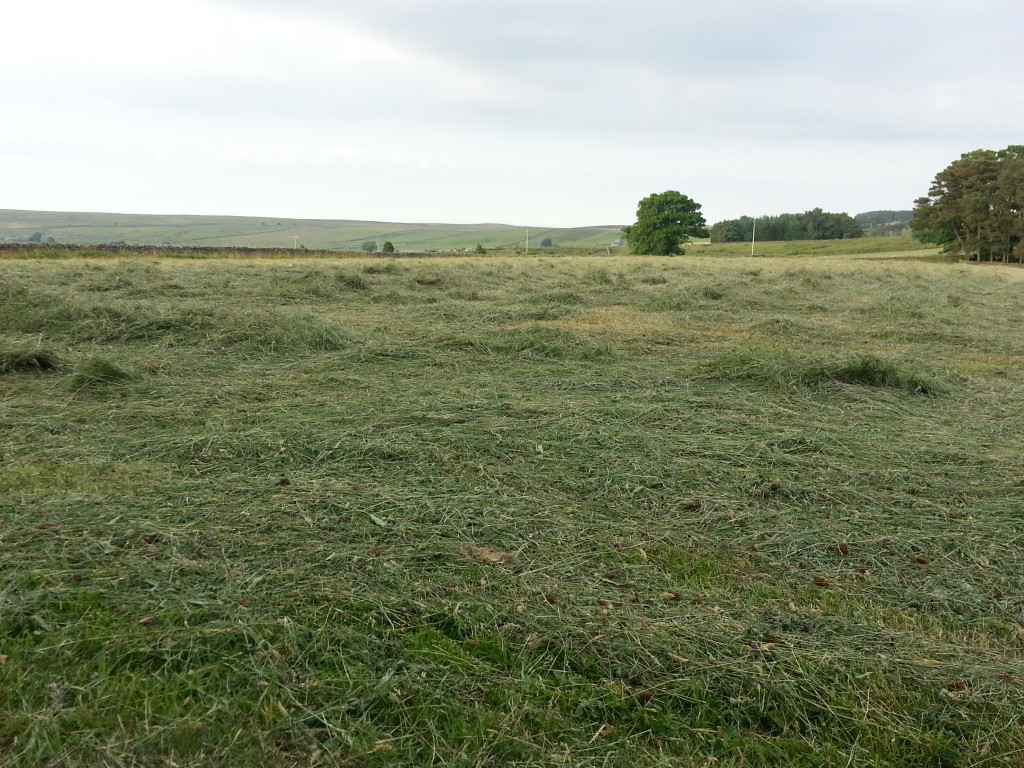
Freshly cut hay
Freshly cut hay

The 2 meadows out the front have been cut by a neighbouring farmer and the current good weather will be really helpful.

I’m mentally taking notes about how this is done even though I don’t expect to be doing it myself at any point in the near future. It’s just good to watch and learn.

As this picture shows it has only just been cut so it will need turning a few times.

While I was out taking this photo of the meadow I realised it was probably time to post a progress update for the vegetables (more on this below).

Vegetable bed plans

All available veg bed space has now been used for something and there are plans to extend the current area for next year.

One idea is to convert up to 1/3 of the very large lawn area into a more productive space. The original thinking was for something like an orchard area with some raised veg beds alongside but a grander term for this might be “forest garden” if you favour the permaculture approach.

Either way I foresee the strong possibility of a continuous battle against rabbit incursions so I will definitely need to include defences in the overall plan!

Veg bed photo gallery

Having taken a range of photos of the vegetable progress, it seems a good excuse to try out the gallery facility that is provided within the WordPress system I use. My first impressions are that it does an excellent job and it’s certainly easy for me to set up.

However the experience will perhaps be different for people just reading this and viewing the pictures so let me know in the comments what you think.

Just click on any of the thumbnail images below and the gallery will load to let you see the large versions of the photos…


Settling into the new routines

Slowly I find that we are settling into something resembling a routine and each day that passes sees us getting more used to the realities of our new life. Even the few animals that we already have here are adjusting well to the new regime although we’re still not too sure where some of the chickens are laying eggs

We are being careful to assess everything before making changes and trying not to jump into anything too soon which is the most common advice from every book, article or web forum on smallholding. However I am eager to start making some of the bigger decisions about things like other livestock, managing the woodland , adding renewable energy sources and expanding the growing capability.

I’m not sure that I will know how to tell when we’ve reached the point when we can start on some of these things but I’m hoping that I’ll know when the time is right. I’m also reminding myself regularly that we can do whatever we like now we have the space and also that in some cases it might be better to “do and learn as we go” rather than “plan too much and never start”!

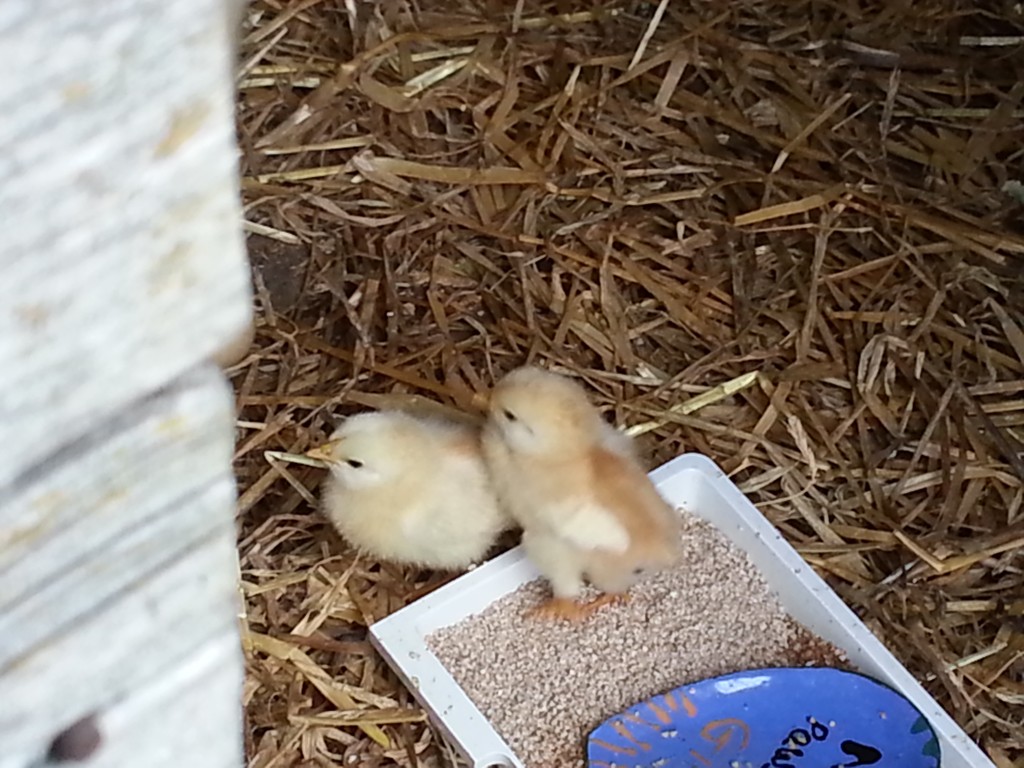
For example, we hadn’t planned to get any more chickens yet but with one of original pet hens dying it seems very opportune that one of the hens we “inherited” from the previous owners has hatched out a couple of chicks!

Two chicks doing well
The two new arrivals


Appreciating the surroundings

One of the other hopes for this move was to have some time to appreciate things and, just occasionally, raise the eyes to take in everything that is around us rather than getting swamped by the daily grind. Obviously you don’t need to move to do this but looking around the local area here is definitely more scenic than our previous suburban existence. It’s called the North Pennines AONB for a very good reason.

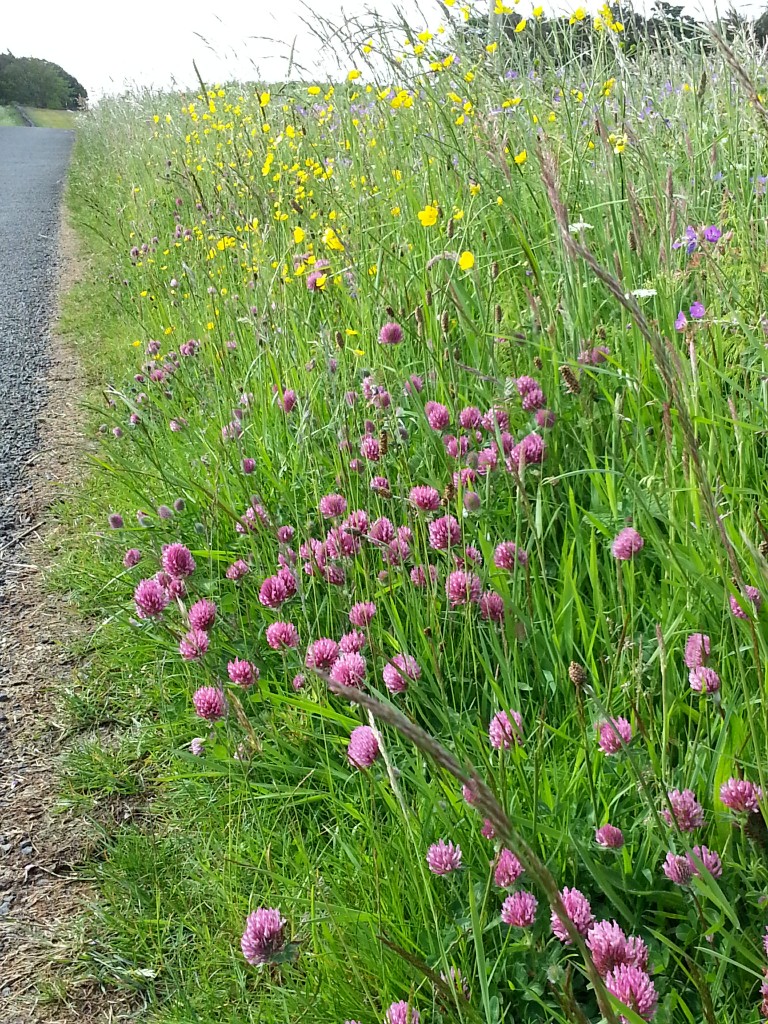
A simple walk down the lane into the village on a Saturday morning recently was just one such occasion. A pleasant morning stroll with curlews and chaffinches calling all around and I noticed that the clover was flowering at the side of the road.

I’d never noticed before that clover flowers have quite a noticeably (and not unpleasant) scent. The combination of that with the other wild flowers at the moment was definitely worth a picture at least. I’m sure we’ll look back at this fondly in about 6 months time when the verges are covered in snow!

Wild flowers
Wild flowers at the roadside